Inside Nigeria's Gift Card Market — Size, Volume, and How to Avoid Getting Scammed in 2026
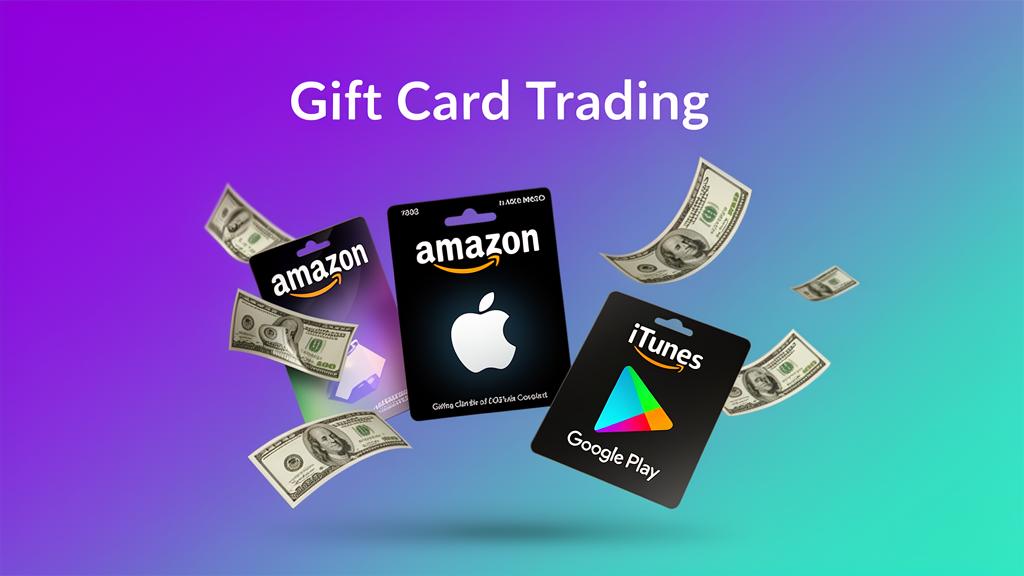
Nigeria is, quietly, one of the largest gift card resale markets in the world. From Lagos to Kano, traders move tens of billions of naira in Amazon, iTunes, Steam, Apple, Google Play and 200+ other cards every single month. But the same demand that makes the market vibrant also attracts an army of fake vendors, "Telegram plugs" and shady apps. Here's an honest, plain-English breakdown — and how to stay safe.
How Big Is the Nigerian Gift Card Market?
Industry estimates from local fintech researchers and P2P data put Nigeria's annual gift card resale volume at roughly ₦1.5–₦2 trillion — driven by remittances, freelancers paid in cards, and people abroad sending value home. Lagos alone accounts for a huge slice, with thousands of small traders flipping cards daily. Volumes typically spike in December (holiday gifting) and again in August/September (back-to-school in the US).
Why So Many Nigerians Get Scammed
Most scams happen in three places:
- Telegram & Instagram DMs — anonymous "vendors" who promise impossible rates, take your card code, then block you.
- Random apps from the Play Store — slick UI, no real company behind it. They freeze your funds, then disappear in a "compliance review" that never ends.
- WhatsApp groups — a fraudster joins, posts a "buying $1,500/dollar" advert, and harvests dozens of victims in one evening.
The common thread: no CAC, no office, no human you can call. Once your card or crypto leaves your hands, there's nothing to claw back.
The Real Cost of a Scam
The average reported scam in Nigeria's gift card market is ₦80,000–₦300,000 per victim. Multiply that across thousands of victims monthly, and we're talking billions of naira lost every year — money that should have funded school fees, rent, or business capital.
How to Spot a Fake Vendor in 30 Seconds
- Ask for the company name and CAC RC number. If they hesitate, walk.
- Search the company on Google. No website? No socials? No reviews? Walk.
- Ask to see the rate in writing on WhatsApp before sending anything.
- Insist on a small test trade ($10–$20) before any large transaction.
- Confirm there's a real human you can call if anything goes wrong.
If a "vendor" fails any of these, they are not worth your money. Read our full guide: How to Avoid Crypto & Gift Card Scams in Nigeria.
The FirstFlip Difference
FirstFlip is built specifically to remove every one of those risk factors:
- FIRST FLIP LTD — CAC-registered (RC 9023563), Lagos.
- 250+ supported gift cards — Amazon US/CA/DE/UK, iTunes, Apple, Steam, Google Play, Sephora, Nike, eBay, Razer Gold, PSN, Nintendo, Walmart and many more.
- Live, public rates — what you see on our homepage is what we pay, no hidden spreads.
- Real human WhatsApp agents — locked rate before you send anything.
- Naira to your bank in minutes — verifiable on your statement.
Trade Direct. Avoid Middlemen.
The safest trade is the one where you know exactly who you're dealing with. Tap here to start a safe trade with FirstFlip on WhatsApp — verified contact, real human, real CAC-registered company. Your money should go to your bank, not to a ghost account.
What's Coming Next
FirstFlip's app is currently in beta and launching publicly very soon. At launch you'll be able to sell cards, exchange crypto, get a virtual USD/EUR card, and even buy international eSIMs — all from one place. Turn on post notifications on our site and follow us on X, Instagram, Facebook and TikTok (@firstflipofficial) so you don't miss launch day.