What an Apple gift card is worth in naira, by size
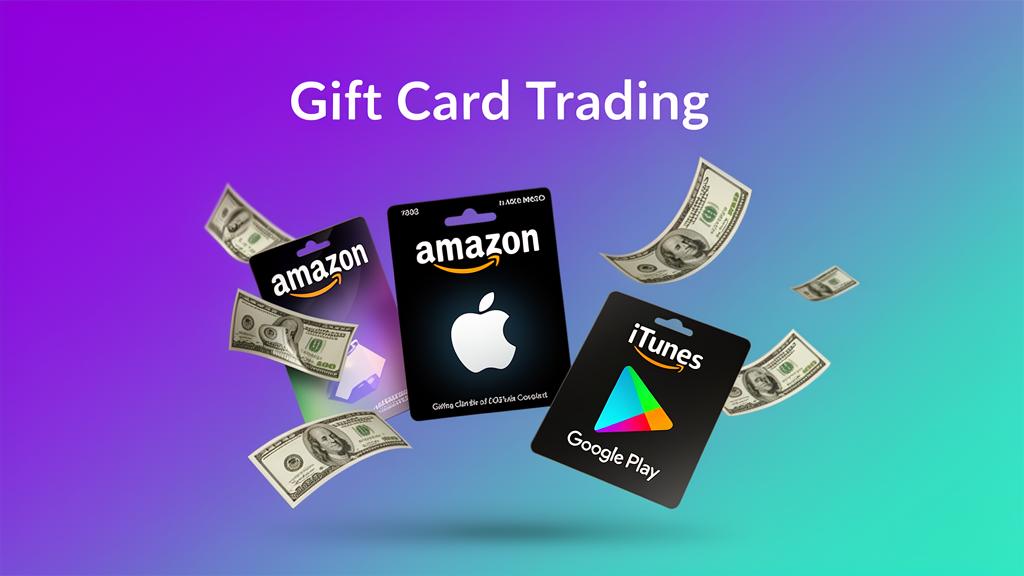
Apple and iTunes cards are the most traded gift cards in Nigeria and the most misunderstood. Two cards with the same number printed on them can be worth very different amounts of naira, and the reasons are boring rather than mysterious: which country the card was issued in, whether it is a physical card or an e-code, and what the desk is paying per dollar on the day you sell it.
That last one is the only part that moves hourly. Our per-dollar rate for every Apple and iTunes variant is published on the rate page and on each card's own page, and the figure you are shown before you upload is the figure the payout is calculated from. There is no second rate applied afterwards.
The sizes people actually sell
Most Apple cards arriving at the desk are $100, $200 or $500. Each of those has its own page with the arithmetic done for you at the current rate — you can read the naira number without multiplying anything:
- $100 iTunes card in naira
- $200 iTunes card in naira
- $500 iTunes card in naira
- Every Apple and iTunes variant we buy
Smaller sizes are worth saying out loud too, because most platforms will not take them. A $10 or $15 iTunes e-code is sellable here. Whether that is worth your time is your call; whether it is possible is not in doubt.
The limit nobody mentions until you are standing at it
The desk buys Apple cards up to $500 per card. That is the real ceiling, it is on every card page next to the range, and it is the number to check before you buy a card specifically to resell.
So what happens with a $1,000 Apple card? To us it is not one card. It is a value that has to be handled as separate cards or separate transactions, and the honest answer is to ask the desk before you buy or accept one. We would rather tell you that on a page you found in a search than after you have uploaded something we cannot pay for in one go. If you are holding a card above the published range, message the desk first and you will get a straight answer about that specific card.
This is also why a platform quoting a headline rate for "$1,000 Apple" without mentioning a per-card ceiling is worth a second look. The ceiling exists everywhere; it is disclosed in very few places.
Country and format change the price more than size does
A USA card and a UK card are different products with different rates, and the gap is usually larger than anything the size of the card does. Physical cards and e-codes differ again — the physical card carries a photograph of the back, the e-code carries the code itself, and the risk profile of each is not the same.
Read the variant on your card before you read the rate. "Apple $200" is not a complete description of what you are holding, and a rate quoted against the wrong variant is how a disappointing payout happens.
What actually delays a payout
Almost every slow Apple card has the same cause: an image that cannot be read, or a code that has already been used. Photograph the card flat, in even light, with the whole card in frame and the code sharp. If a card was bought from a third party, its balance is a claim rather than a fact until it is checked.
Nothing about that is unique to us. What is ours is that a card we cannot pay for is told to you as such, rather than sitting in a queue while you wonder.
Getting the rate the moment it moves
Apple rates move with supply and with the naira. If you are holding cards and waiting for a better day, watch the published figure rather than guessing — it is on the rate page, dated, and it changes when the desk's changes. You can also get the updates pushed to you: our Telegram channel posts rate movements as they happen, so joining it and leaving notifications on is the simplest way to be told rather than to keep checking.
When you are ready, the whole sale takes a few minutes in the app: pick the card, pick the variant, see the rate and the naira figure, upload, and the payout lands in your bank. No card details, no dollar account, no waiting for an agent to be awake.